

The primary objective of this research group lies in the synergistic application of advanced Artificial Intelligence (AI) techniques and the development of sophisticated embedded systems, aiming to address and solve challenges relevant to the industrial sector.
The adoption of AI facilitates the design of advanced computer vision systems, capable of performing object tracking and recognizing significant events in video streams. Furthermore, this group is dedicated to the development and implementation of natural language processing (NLP) algorithms, used to extract and interpret valuable information contained in text and/or speech, and to predict future events based on temporal data analysis.
Embedded systems, whether provided by the industry itself or developed internally by the institution, play a crucial role in the acquisition and analysis of data collected through sensors. This data collection and processing are essential for formulating insights that support strategic decisions, culminating in the implementation of actions through actuators in the physical environment. These interventions are designed to modify production processes in real-time, aiming to mitigate events that could result in the production of defective items, thereby enhancing the efficiency and optimization of production processes.
In summary, this group’s mission is to develop innovative technological solutions that address and overcome the challenges faced by contemporary industry. The goal is to offer significant contributions that not only solve specific problems but also promote a lasting positive impact on industrial production standards, reflecting tangible benefits for partner institutions and for the field of engineering as a whole.

Jean Paul Torres Neumann
Manager
CEO @NTech | President of the Vertex-Institute of Technology and Innovation | IT & Services Consultant | Qlik Partner Ambassador Affiliate | Lead of NASA Space Apps Maceió
Felipe Barros Pontes
Coordinator
PhD from UFCG


Caio Barbosa Vieira da Silva
Deputy Coordinator
PhD from PUC
Derek Nielsen Araújo Alves
Hiago Lopes Cavalcante
Mário Hozano Lucas de Souza
Marcio Augusto dos Santos Guimarães
Tiago Figueiredo Vieira
Rodrigo de Barros Paes
Willy Carvalho Tiengo
External Collaborators
Associates
Infrastructure
Vertex – Institute of Science and Innovation has a robust, proprietary infrastructure in a constant state of improvement, designed to integrally meet the needs of research groups involved in the development of technological solutions in partnership with the productive sector. The Institute’s own headquarters constitute the central core of its institutional, technical, and scientific activities, concentrating the infrastructure considered for the purposes of accreditation and execution of Research, Development, and Innovation (RD&I) projects.
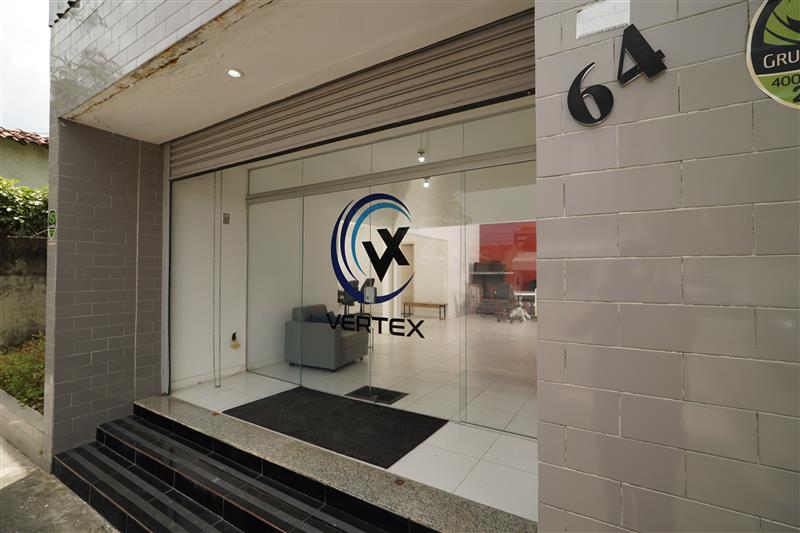
Located in the Pitanguinha neighborhood in Maceió, Vertex’s headquarters has approximately 1,016 m² of built-up area, housing technical and administrative environments, common areas, and a shared laboratory dedicated to applied research activities. In this space, actions are developed related to the design and specification of solution architectures, implementation and integration of web and mobile applications, development of APIs and services, simulations, creation and prototyping, software testing (functional, performance, and security), technical validation of results, as well as the preparation of documentation and technical reports and the institutional support necessary for the monitoring and verification of RD&I activities.
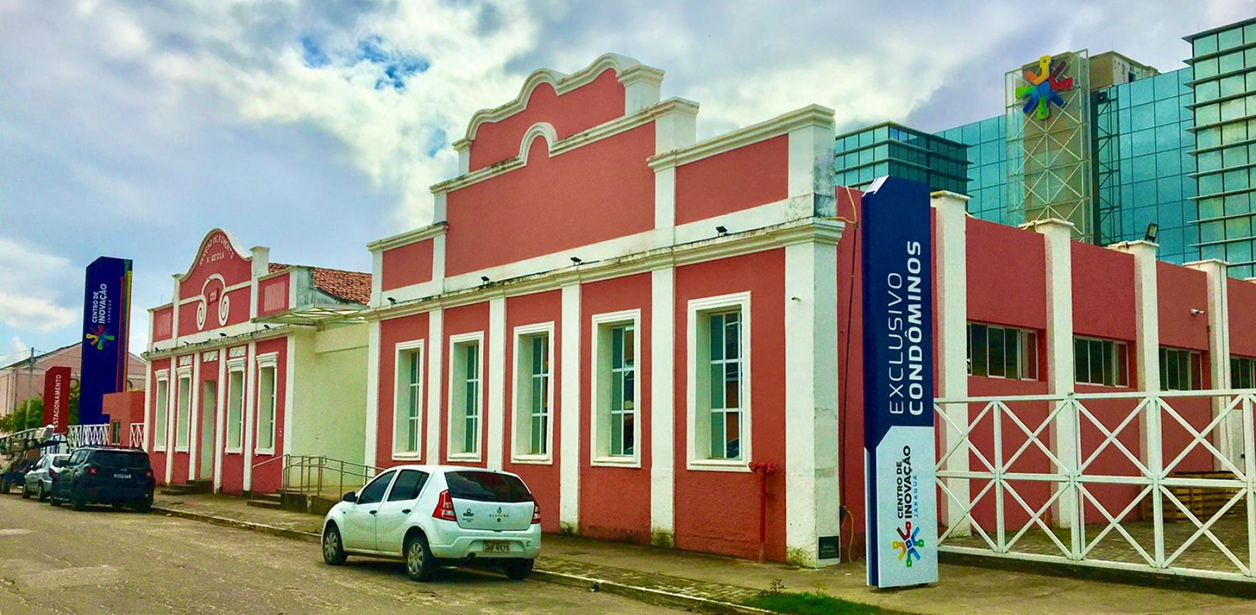
Complementing the activities carried out at its own headquarters, Vertex maintains a leased unit at the Jaraguá Innovation Center, where a laboratory dedicated to the development of applied research is installed, especially in the fields of Information Technology, Communication, and Artificial Intelligence. With well-distributed workstations and a layout designed to stimulate interaction between researchers, this space functions as an additional environment for testing, development, and validation of technologies, expanding the operational capacity of ongoing projects.
Research groups also have access to shared meeting rooms within the Innovation Center itself, an environment that favors integration with companies, clients, and partner institutions, being widely used for alignment meetings, results presentations, and the articulation of new collaborations.
Vertex's technical staff has a history of working on innovation and development projects with partners from various productive sectors. Below are some examples that have resulted in innovative and scientific publications.
Petrobras

Through a partnership with the EDGE Innovation Center, this research group has been working on the development of Artificial Intelligence and Digital Transformation solutions. More specifically, the main problems addressed refer to the support of the oil well construction process and the respective aspects related to costs.
The offshore oil well construction process represents the execution phase of several projects previously developed over months of work. Operationally, a detailed schedule of activities is followed, resulting in an uninterrupted operation with several teams working in shifts. Thus, the combination of an offshore industrial environment, with high operational costs and limited access to information due to low internet speeds, makes the offshore environment a high-tension and high-risk setting.
The project in question addresses operational planning aspects in runtime, maximizing the application of best operational practices through the use of Artificial Intelligence in generating schedules and operational sequences based on historical data, implemented in an offshore environment using Edge Computing technology.
Another relevant aspect addressed in this project is the management of well construction costs. According to the literature, the main influencing factors in drilling are the weight on the bit and the drill string rotation to cross the lithological formation which, in a simplified view, is a complex operation that combines a Well Program with a Bit Program, which, when detailed in the drilling design, determine the project cost.
Therefore, the scope of this project includes the development of a cost estimation methodology implemented through a computational tool on a WEB platform, with integrated data inputs for cost composition. Thus, the designer is now able to make decisions considering various parameters for each drilling phase and also previous times already established in a physical schedule, resulting in a more accurate estimate.
EnerSys Mixer
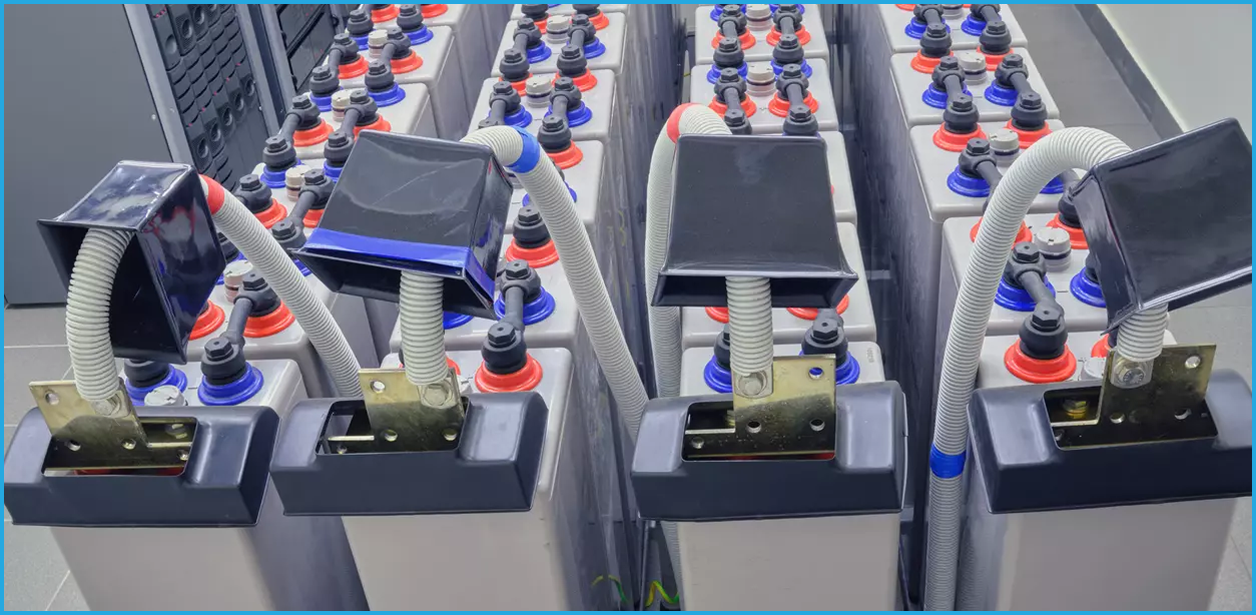
To produce stationary batteries, several materials are required, including sulfuric acid. This acid, purchased in concentrated form, must be diluted with demineralized water to form the solution that will be used inside the battery. This process, generally manual, is tedious, dangerous, and prone to errors, involving the careful mixing of substances in a special tank and periodic verification of the mixture to ensure the correct density. Additionally, there is a significant risk of accidents, such as burns caused by acid splashes.
With the goal of improving this stage, a project was developed to automate the acid and water mixing process. The innovation consisted of using technologies such as a Programmable Logic Controller (PLC), a conductivity meter, a graphical user interface (HMI), several solenoid valves, and level sensors. This automated system was designed to carefully control the addition and mixing of substances, minimizing accident risks and improving process efficiency.
The methodology employed, based on Colored Petri Nets, was detailed in a study presented at a scientific conference, highlighting the analysis and validation of the system before its implementation to avoid accidents, financial losses, or human and environmental damage.
The implementation of this automated system brought significant benefits to EnerSys, the project partner. The automation, described through advanced modeling, not only made the mixing process safer for workers by eliminating direct exposure to chemical risks but also accelerated the production of the solution required for battery manufacturing. This innovation represents a significant advancement in the production of stationary batteries, increasing workplace safety and manufacturing process efficiency [1].
Corning-Kits

Corning is one of the world leaders in materials science innovation. For more than 160 years, it has used its unparalleled expertise in specialty glass, ceramics, and optical physics to develop products. It achieves success through continuous investment in R&D.
In particular, Corning hired members of the Vertex research and innovation team to develop a Computer Vision and automation system focused on quality inspection during the kit assembly process [2].
There was a variety of kits, each composed of different devices used by the company's customers for the deployment of optical communication systems. The system inspects whether the kit is correctly assembled and, only if positive, enables the operation of a two-hand control system capable of dispensing the components into a plastic container, for subsequent labeling and shipping to customers.
The automation solution significantly contributed to the reduction of errors in the company's kit assembly, helping to reduce production costs and eliminating rework.
Epson-HSE
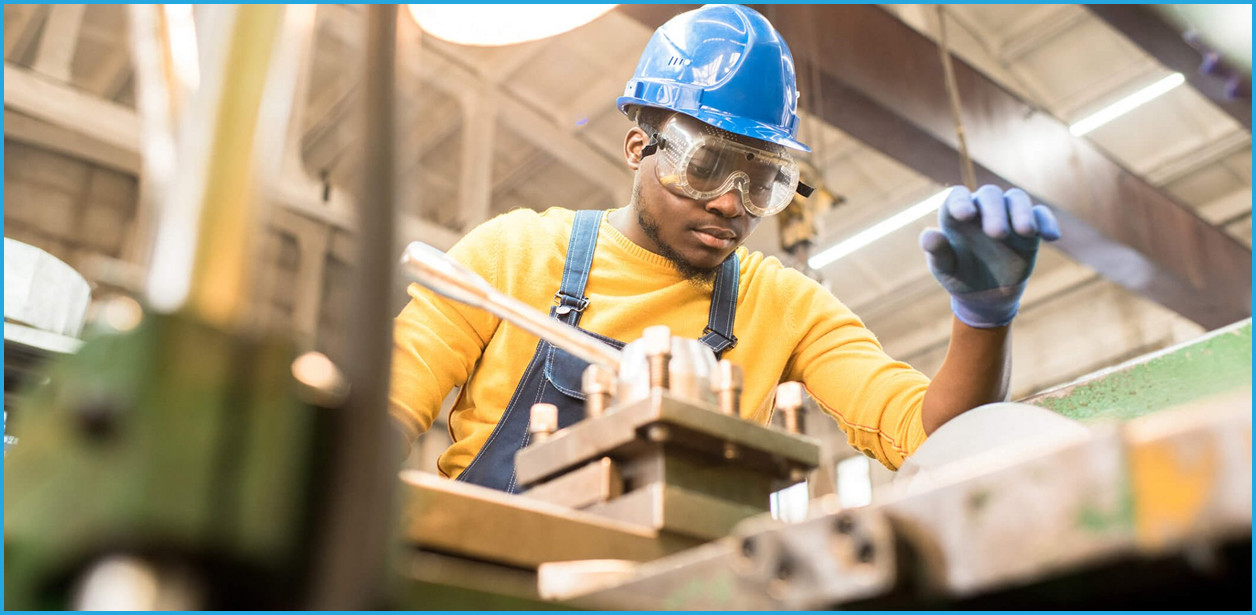
One of the frequent concerns of a corporation's occupational safety department is the monitoring of the correct use of personal protective equipment (PPE) by its employees. The proper use of these devices is of paramount importance to prevent damage to the physical integrity of staff members.
Furthermore, it is important that the PPE used corresponds to those recommended for the specific sector where the individual is located, ensuring that protection is standardized according to the risk level of the environment in question. The verification of correct PPE usage was previously carried out manually by occupational safety officers, who conducted unscheduled visits to factory sectors to observe those wearing the appropriate attire for the area.
However, this verification was sporadic and prone to errors, as employees could put on their PPE upon noticing the inspector entering the environment. In this context, Epson Brazil requested a solution for automated PPE inspection by employees, utilizing video feeds from security cameras installed in the factory. This inspection was performed using deep neural network models on a continuous basis, achieving results published at an international conference [3].
Jabil-ML

Jabil is one of the global leaders in electronics manufacturing solutions, providing design, manufacturing, and supply chain services to various industries, including information technology, telecommunications, healthcare, and automotive.
With a robust presence in more than 30 countries, it stands out for its ability to innovate and scale rapidly, serving everything from startups to large global corporations. Its expertise ranges from product conception and prototyping to mass manufacturing and after-sales management, allowing the company to offer complete and customized solutions to meet the specific needs of each client.
In addition, the company is known for its strong emphasis on sustainability and efficiency, constantly seeking ways to minimize the environmental impact of its operations and products. The implementation of an automated visual inspection (AVI) project in the printed circuit board (PCB) assembly process at Jabil brought benefits, increasing efficiency and production quality while reducing operational costs.
In particular, the AVI system used advanced camera technologies and artificial intelligence software for real-time manufacturing fault detection, which consisted of checking for missing, incorrect, or misplaced components. This not only accelerated the process of identifying and correcting errors, avoiding rework and waste, but also contributed to the continuous improvement of production processes through data collection and analysis.
The project was developed by Vertex team members using siamese deep neural networks, and the results were presented at an international conference [4].
Softex (MVPs)
Previsão de geração de energia
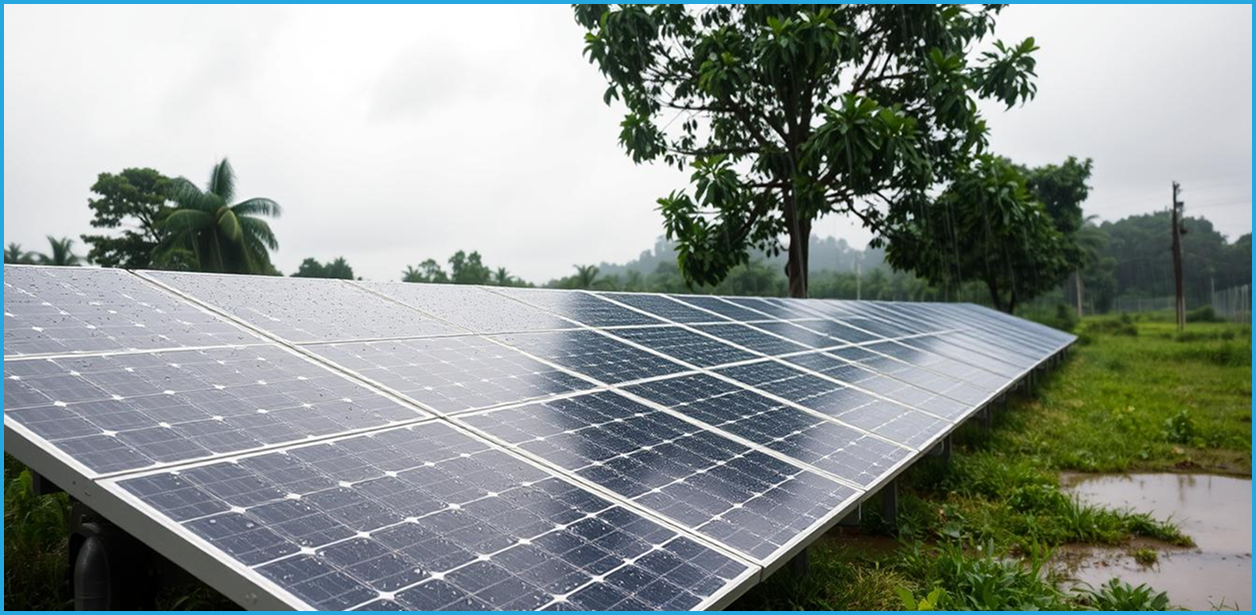
The use of recurrent neural networks (RNNs) in the context of forecasting demand for solar photovoltaic energy generation is fundamental to ensuring the efficiency and reliability of the electricity supply. This is due to the unique ability of RNNs to process temporal data sequences, allowing them to understand complex patterns of variation in solar generation as a function of meteorological conditions and consumption over time.
This accurate forecasting capability is essential for the planning and operation of power systems, allowing grid operators to adjust energy production and distribution to avoid shortages in meeting consumption demand.
By anticipating fluctuations in solar generation, RNNs contribute significantly to the optimization of the energy mix, reducing dependence on non-renewable sources and promoting a smoother transition to clean and sustainable energy. In particular, a study was developed in which specific recurrent networks of the Long Short-Term Memory (LSTM) type were applied in the context of forecasting electricity demand behavior to prevent distribution shortages [5]. It is worth noting that the team has access to a solar photovoltaic mini-generation plant to conduct specific studies on the subject at hand [6].
Agrover
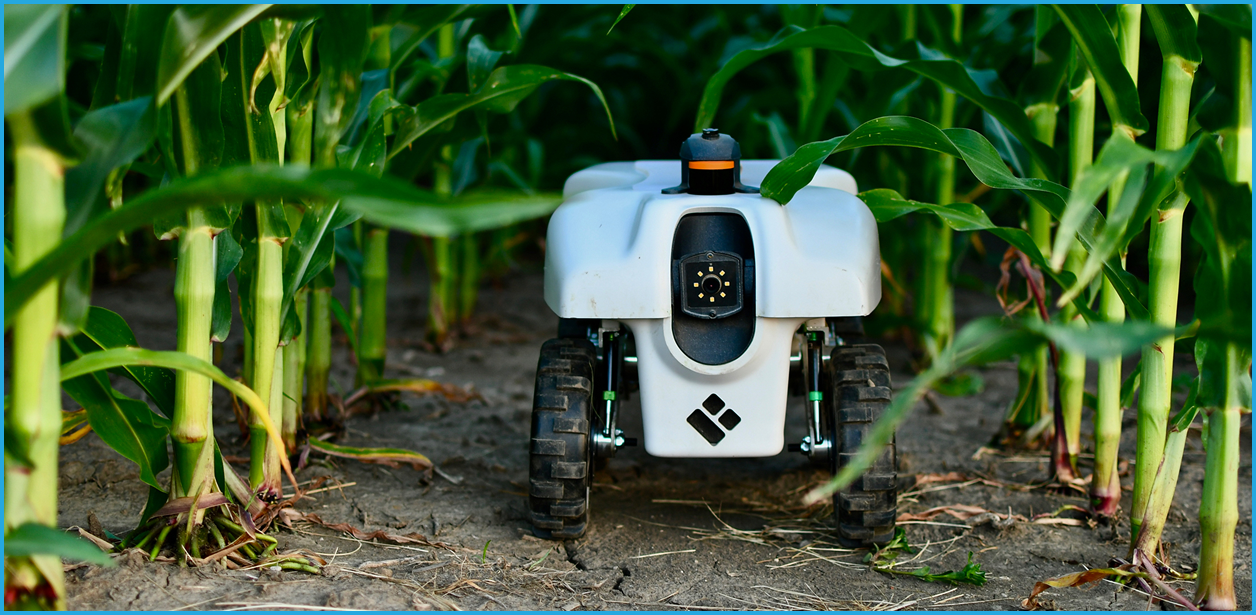
The use of autonomous robots for visual inspection of crops represents a significant advancement in the context of precision agriculture. These robots, equipped with vision-based perception modules, as demonstrated in the development of a versatile mobile platform for precision agriculture, have the potential to transform crop management and monitoring.
With the application of advanced algorithms, such as SAM for path segmentation and YOLOv5 for corn stalk detection, these robots can navigate autonomously in complex agricultural environments, performing detailed and precise inspections of the plantations.
This ability to efficiently and accurately detect specific elements in the crops, such as plant stalks, allows for a continuous assessment of crop conditions, facilitating more precise and timely agronomic interventions.
Consequently, it contributes to the optimization of resource use, the improvement of plant health, and increased productivity, reinforcing the importance of these technologies in promoting more sustainable and effective agricultural practices.
Mixed Reality (MR)
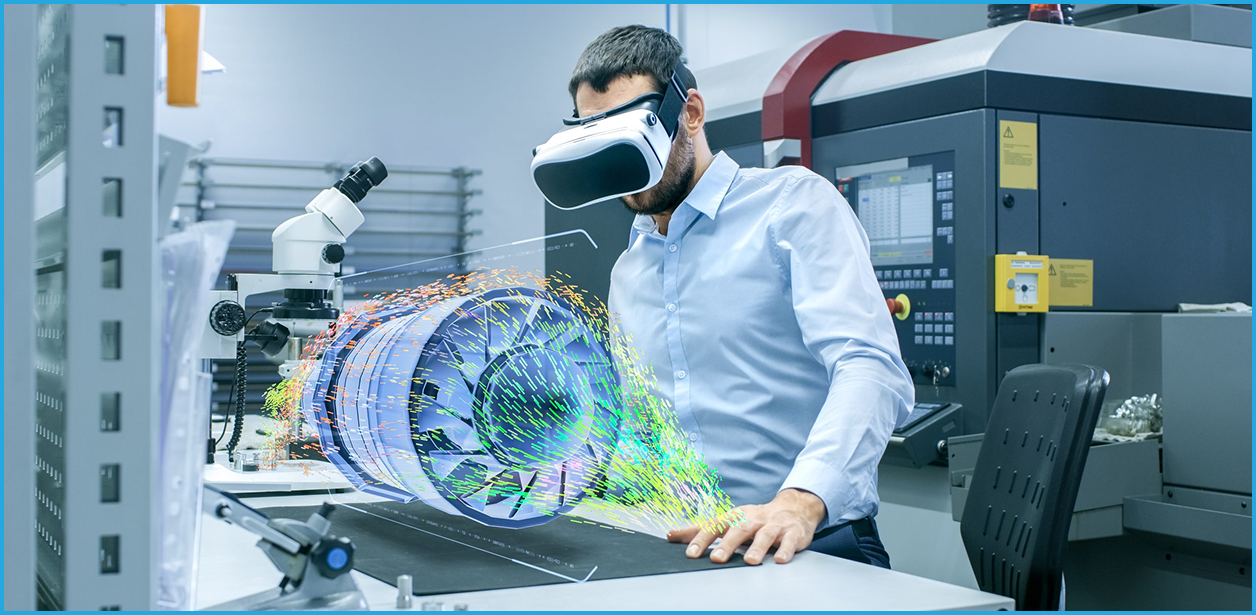
The implementation of mixed reality in the context of employee training in industries represents a revolution in the way knowledge is transmitted and skills are developed, especially in activities involving the operation of heavy machinery. This technological advancement, exemplified [8].
Mixed reality stands out for its ability to overlay digital information onto the real world, creating an interactive and immersive learning environment. By simulating real machinery operation scenarios in a safe environment, this technology allows employees to practice procedures, identify risks, and learn to handle complex equipment without the dangers associated with traditional practical training.
This approach not only minimizes the risk of accidents and injuries during training but also significantly increases knowledge retention, preparing workers in a more efficient and effective manner. Furthermore, mixed reality in industrial training facilitates the understanding of complex processes and the execution of specific tasks through step-by-step visual guidance, making learning more accessible and less intimidating for new operators.
With the capacity for real-time monitoring and instant feedback, adapting their techniques to meet the safety and efficiency standards required by Industry 4.0, this technology not only optimizes training time but also personalizes the learning experience to meet the individual needs of operators, promoting a safer and more productive work environment.
By incorporating mixed reality into training programs, industries are not only advancing their operational capabilities but also demonstrating a commitment to the safety and well-being of their employees.
Misc
Processamento de Imagens em Acustofluídica

Acoustofluidics combines the precise manipulation of fluids at the microscale with the use of acoustic fields, and has proven to be a revolutionary tool for the study and manipulation of microparticles, including cells and pathogens. Its importance for the diagnosis of diseases, such as leishmaniasis, lies in its ability to selectively separate and concentrate biological microparticles from complex samples, such as blood, with high precision and without damaging the biological components.
This method provides an efficient platform for the rapid and sensitive detection of pathogens, facilitating early identification of the disease and allowing for more effective treatment. Furthermore, the non-invasive nature and efficiency of acoustofluidics in manipulating small sample volumes make it a promising technology for point-of-care diagnostic applications, offering a less expensive and more accessible approach to disease monitoring in remote or resource-limited regions where leishmaniasis often prevails [9, 10, 11].
Mixed Reality (MR)

The use of depth images for facial recognition represents a significant advancement in the security and accuracy of biometric identification technologies. Unlike traditional two-dimensional images, which can be easily manipulated or deceived by photos, masks, or other artifacts, depth images capture the unique three-dimensional structure of a person's face.
This enables the differentiation between a real face and a false representation, considerably increasing security against fraud attempts or unauthorized access. Furthermore, by providing data on the shape and contour of the face, depth images allow for more robust recognition under varying lighting conditions and at different viewing angles, improving the effectiveness of facial recognition in challenging environments.
This technology has critical applications in areas such as access control, security systems, identity verification in banking services, and airports, among others, where precision and security are of utmost importance [12].